
Ducted heating or central air conditioning
A furnace, ducted heat pump or central air handler moves air through supply and return ducts. This is the network covered by air duct cleaning, with equipment components specified in the scope.
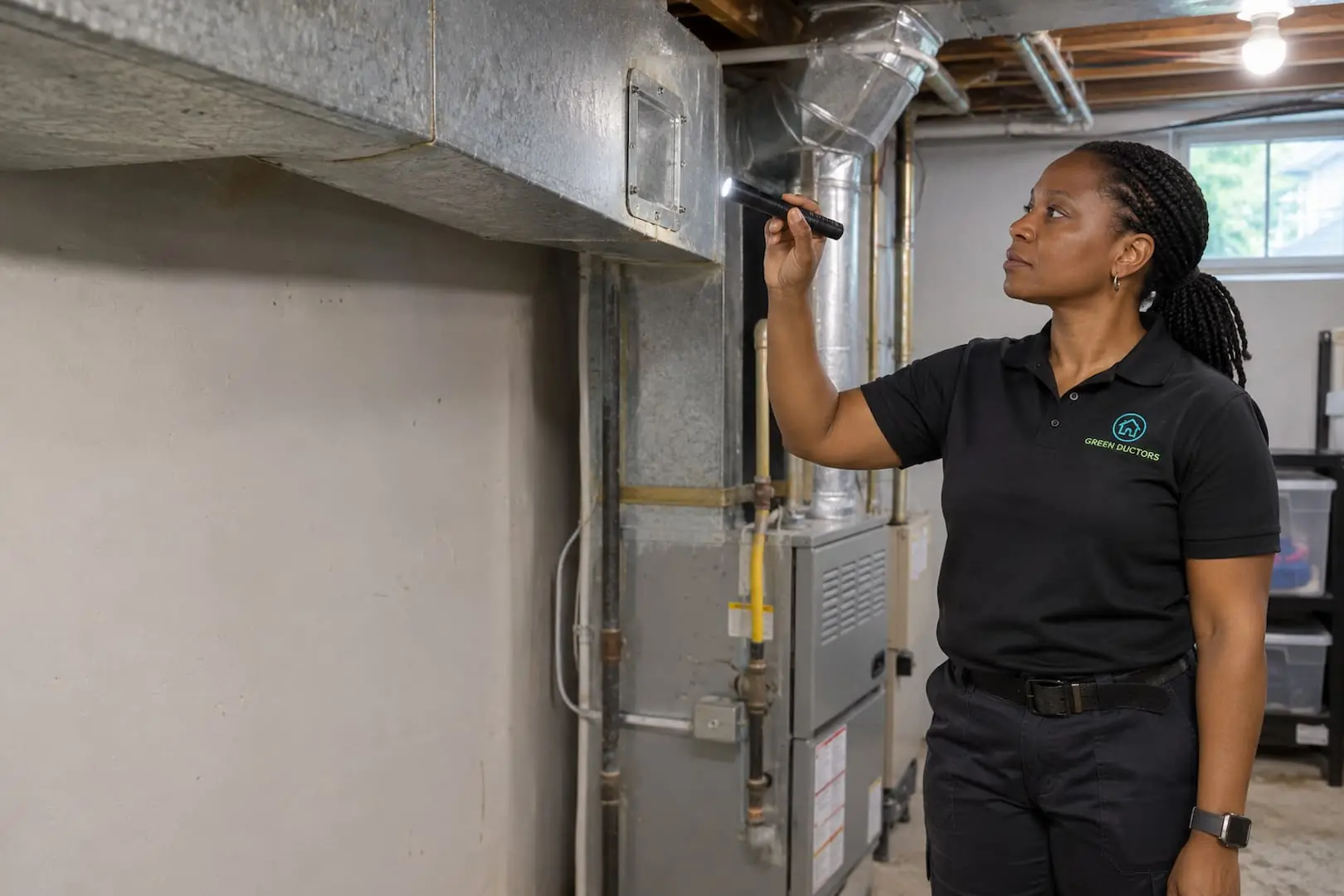
Green Ductors cleans supply and return air ducts in New Jersey homes and commercial properties. We review the equipment, agree the components to be cleaned and plan access.
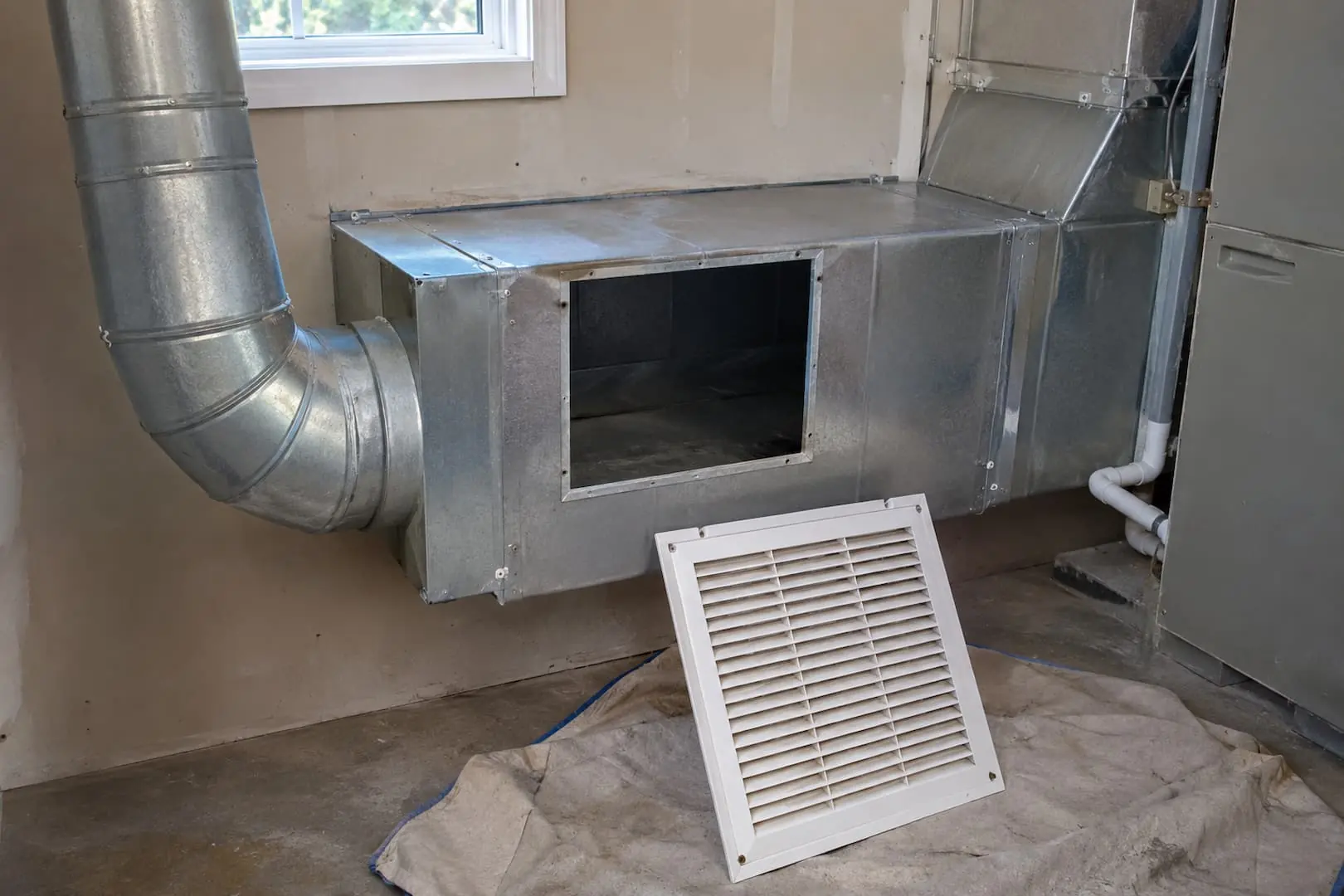
The grille in your room is one opening in a larger network. Supply ducts carry conditioned air into rooms; return ducts bring air back to the equipment. Both sides belong in the discussion when you request air duct cleaning.
Green Ductors uses vacuum collection and cleaning tools to remove deposits from accessible duct surfaces. We review the duct material and access points before choosing the setup. A metal trunk, a flexible branch and an internally lined duct need different handling.
A request for HVAC cleaning can mean several different jobs. The equipment determines which service and components belong in the quote.
A furnace, ducted heat pump or central air handler moves air through supply and return ducts. This is the network covered by air duct cleaning, with equipment components specified in the scope.
These do not by themselves mean there are heating ducts to clean. Check whether your property also has a separate central air-conditioning system with room vents.
A wall-mounted ductless head delivers air directly into the room. Cleaning its coil and blower is a different job from cleaning a central duct network.
These carry exhaust out of the building and need a separate scope. Identify them during follow-up if you want more than one system considered.
Ask about the full air path, including components at the equipment. The scope should identify what we can reach and what needs separate attention.
| Part of the system | What to confirm |
|---|---|
| Supply and return ducts | Which trunks and branches serve the property, how they can be accessed and whether more than one system is involved. |
| Registers, grilles and diffusers | Which removable covers are included and whether furniture or fixtures restrict access. |
| Air handler and blower area | Whether cleaning these components is included in the proposed work or needs a separate scope. |
| Coil, filter and drain area | The condition of these parts and any cleaning or filter replacement needed alongside the ductwork. |
A useful conversation starts with what you have seen. You do not need to diagnose the system before calling.
Tell us where you saw the buildup and whether material comes out of a supply register. A dusty grille alone does not establish the condition of the entire duct network.
Describe the work and whether the heating or cooling system ran during it. We can discuss checking the ducts before deciding how much cleaning is needed.
If you have moved into the property, share any records or photos you received. The age of the house alone does not tell us when its ducts need cleaning.
Explain when the problem occurs and where. Cleaning removes buildup; a continuing moisture source or another cause of an odor needs its own assessment.
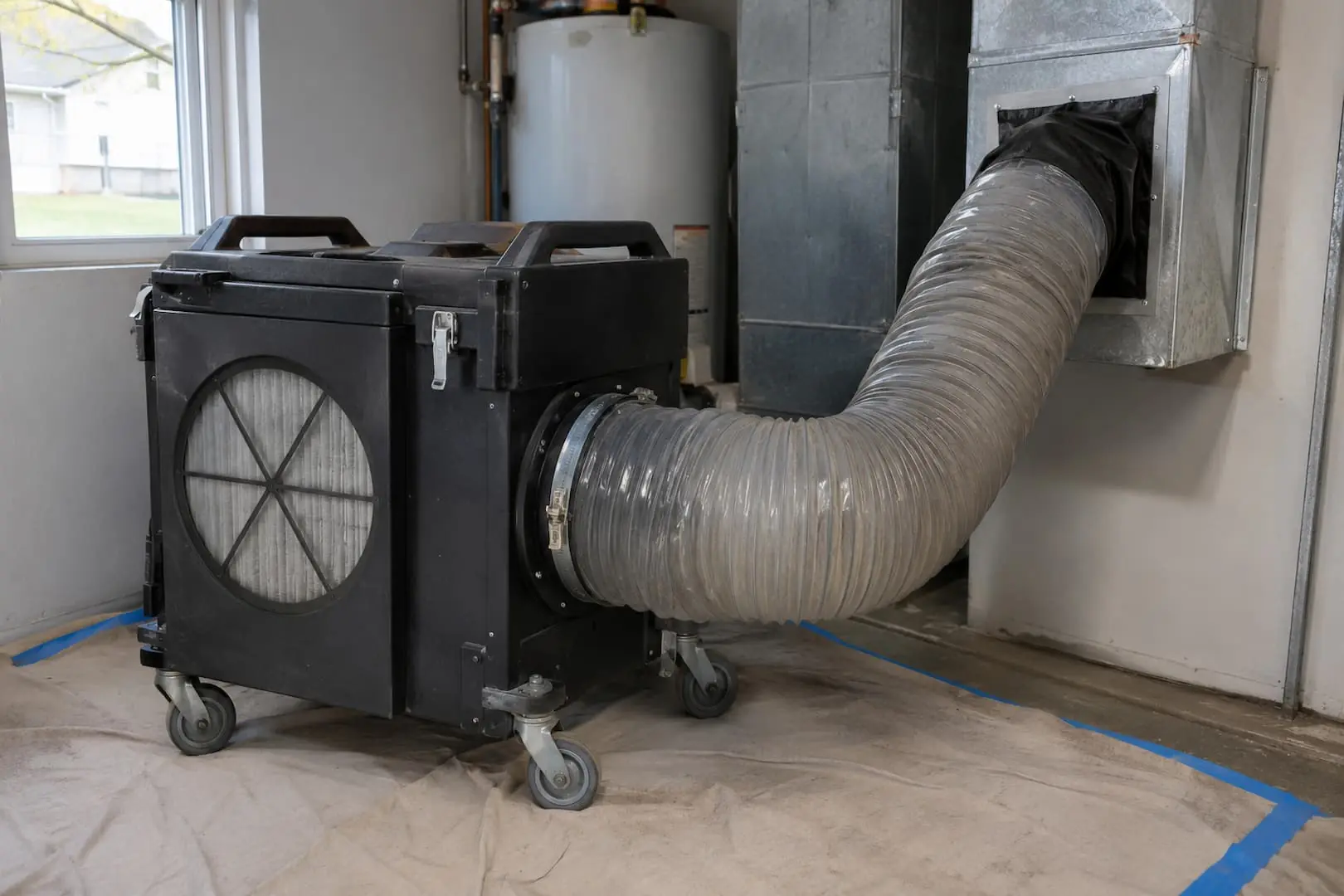
Our duct-cleaning equipment includes portable HEPA-filtered collection, negative-pressure equipment and brushes. The setup keeps collection close to the cleaning work while tools loosen deposits from suitable duct surfaces.
Access determines how far a tool can reach. We discuss restrictions before cleaning and review any section that remains inaccessible. At the end of the job, removed grilles are refitted and the work area is cleaned.
Start with the number of heating and cooling systems. Mention equipment in an attic, crawlspace or locked utility room, plus any room where reaching a vent will be difficult. For an apartment, clarify whether the equipment serves only your unit.
Share the building use, equipment layout and areas included in the request. Tenant access, ceiling height and permitted work hours affect the plan. A commercial duct-cleaning scope should identify the systems and occupied areas involved.
Start with your contact details and ZIP code. Once we confirm the address, these details help us quote the work; a vent count alone is only part of the estimate.
Tell us how many air handlers or furnaces serve the property and whether they use separate duct networks. Include approximate floor area if you know it.
Describe hard-to-reach equipment, visible deposits and recent work on the property. Photos from normal standing height can help explain the request.
Specify whether you also want the blower, coil or other equipment considered. Keep dryer exhaust and separate ventilation systems identifiable in the quote.
Give us the full address, an on-site contact and any entry or work-hour restrictions. We can then confirm availability and discuss the visit.
Ask for the expected visit length after the system and access have been reviewed. For a managed property, confirm who authorizes the work, opens locked areas and receives the completion review.
Clear loose belongings from reachable vents and the equipment area. Discuss heavy furniture, fragile finishes and pets beforehand. Leave removal of covers and equipment panels to the crew.
Ask to see accessible cleaned surfaces and discuss photos before the visit if you need them. Check the refitted grilles, review any access limits and keep the agreed scope with your property records.
For an Edison or Newark property, use the local pages below to plan the request. Elsewhere in New Jersey, begin with your ZIP code; we will confirm the full address and service availability during follow-up.
Read customer feedback“Great customer service. The technician Andrew was very nice and knowledgeable.”
The quote depends on the system count, duct layout, access and components included. Send your address and a description of the property. A written scope makes it easier to compare estimates that may otherwise cover different amounts of work.
There is no single schedule that fits every property. Consider the condition of the ducts and any known contamination or recent construction. Regular filter care and equipment maintenance continue between duct-cleaning visits.
People use HVAC cleaning to describe several jobs. It may mean the ductwork, the air handler and blower, or a coil. Tell us which equipment you have so we can name the components in the scope instead of relying on a broad service label.
Dryer exhaust is a separate duct carrying air and lint from the dryer to the exterior. Include dryer vent cleaning in your request if you need both services, so each system has a clear scope.
Yes. Include the number and location of the systems, the areas they serve and any available plans. For commercial or shared equipment, identify the person who can arrange access and authorize the work.
There is no need to prepare the inside of the ducts. Make accessible vents and the equipment area easy to reach where practical, and tell us about heavy furniture or restricted spaces before the appointment.
Start with your property and the reason you are calling. We can help define a cleaning scope before you book.
Prefer to call?
(888) 334-1612