
Apartment and condominium buildings
We plan access to in-unit dryers, apartment branches and any shared exhaust sections in the project. Management can coordinate entry by floor or line, with a contact for missed appointments.
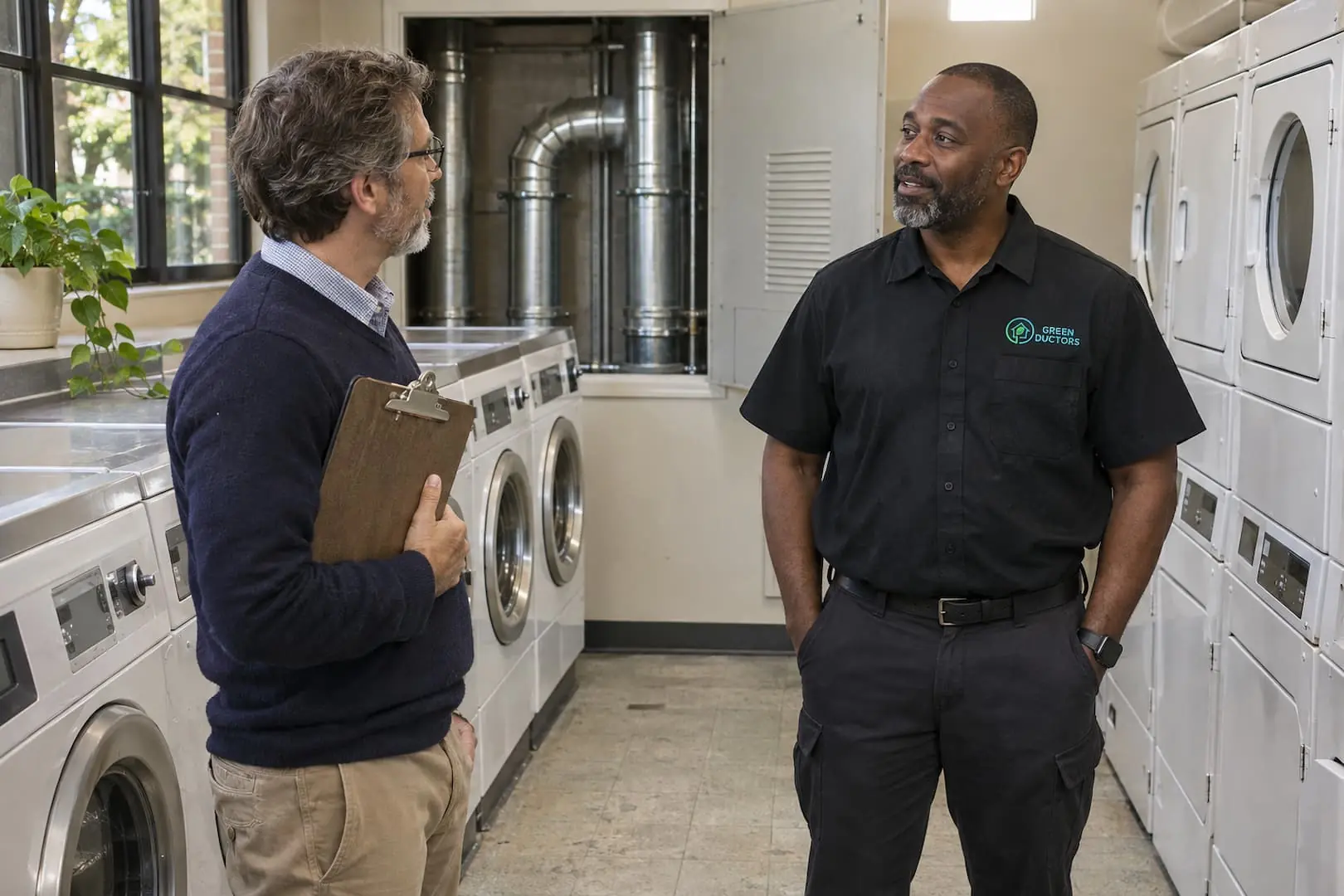
Lint screens catch only part of what leaves a dryer. Green Ductors cleans commercial and multifamily dryer exhaust systems in New York and New Jersey, from appliance connections through the duct runs included in your project.
We plan access to in-unit dryers, apartment branches and any shared exhaust sections in the project. Management can coordinate entry by floor or line, with a contact for missed appointments.
Dryer connections, duct routes and outdoor outlets form the cleaning scope. We review which machines share an exhaust arrangement before setting the order of work.
Hotels, laundromats, gyms and other businesses need cleaning planned around their workload. Include operating hours and the machines that must be available so downtime can be discussed before booking.
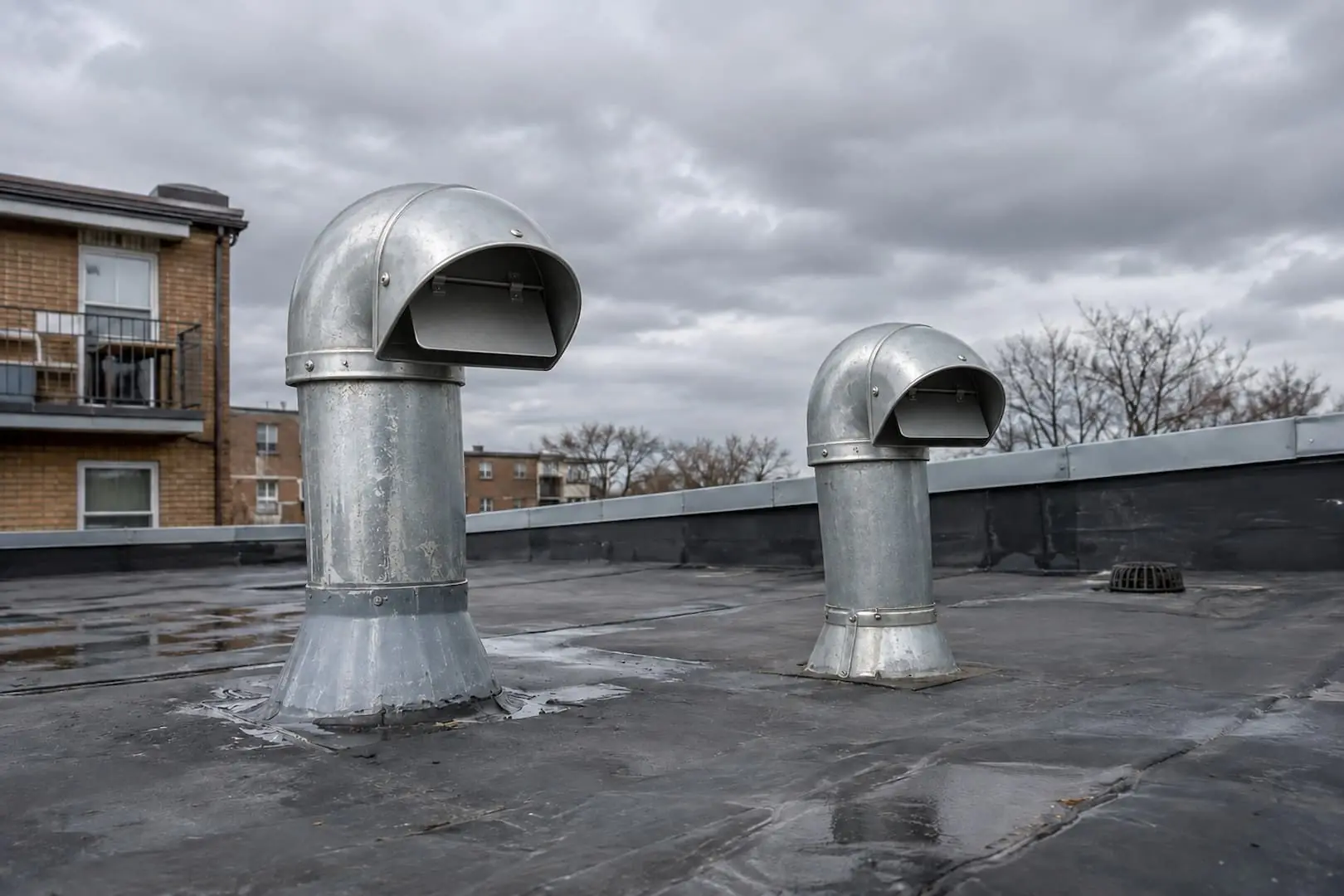
Lint can collect along a concealed run, at bends and near the outdoor outlet. Cleaning the short hose behind a dryer leaves the rest of that route untouched. We review the exhaust layout and identify the runs and connections included in the job.
Ground-level wall outlets, roof terminations and shared risers have different access needs. Let us know about roof entry, locked service rooms and any booster or exhaust fans. Available drawings and previous service reports help us map the work.
A dryer count tells us how many appliances are involved. The proposal also needs to name the duct sections and related components to be cleaned.
| Part of the system | What to confirm |
|---|---|
| Connection behind each dryer | Whether the transition connector is accessible and included, and who will arrange access to stacked or built-in appliances. |
| Individual exhaust runs | The run from each appliance connection toward its outlet or shared duct, including the sections the crew can reach. |
| Shared risers and outdoor outlets | Which common sections and terminations are included, with roof or exterior access arranged in advance. |
| Exhaust or booster fans | Whether fan cleaning is part of the job and who is responsible for access and equipment operation. |
| Appliance servicing and repairs | Cleaning inside the dryer cabinet, replacing connectors and repairing fans are separate tasks to discuss and price when needed. |
Tell us which dryer is affected and what has changed from its normal operation. These signs call for an inspection; they do not establish that lint is the only cause.
| What you notice | What to do next |
|---|---|
| Loads take longer to dry | Note whether comparable loads need extra cycles or stay damp. Check routine lint-filter care and arrange an exhaust review if the change continues. |
| Unusual heat, alerts or repeated shutdowns | Record the affected machine and any displayed code. Have the dryer and its exhaust assessed; repeated alerts should not be treated as a normal part of laundry operation. |
| A persistent burning smell | Stop using the affected dryer and arrange qualified service before restarting it. A smell can come from the appliance or the load as well as the exhaust, so do not assume vent cleaning alone will resolve it. |
| Lint or weak discharge at an accessible outlet | Report visible buildup or an outlet flap that no longer opens normally. The outlet and the connected route need inspection; avoid climbing to check a roof or high wall termination. |
| What to share | Why it matters |
|---|---|
| Dryer count and locations | A laundry room, scattered apartment units and several separate buildings need different access plans. |
| Known duct routes and outlets | A drawing, previous report or existing photo can help identify long runs, branches and shared sections. |
| Recurring drying problems | Note which machines are affected, whether the problem started recently and any displayed alerts. |
| Site contact and permitted hours | A superintendent or facilities contact can arrange entry, equipment shutdown and resident communication. |
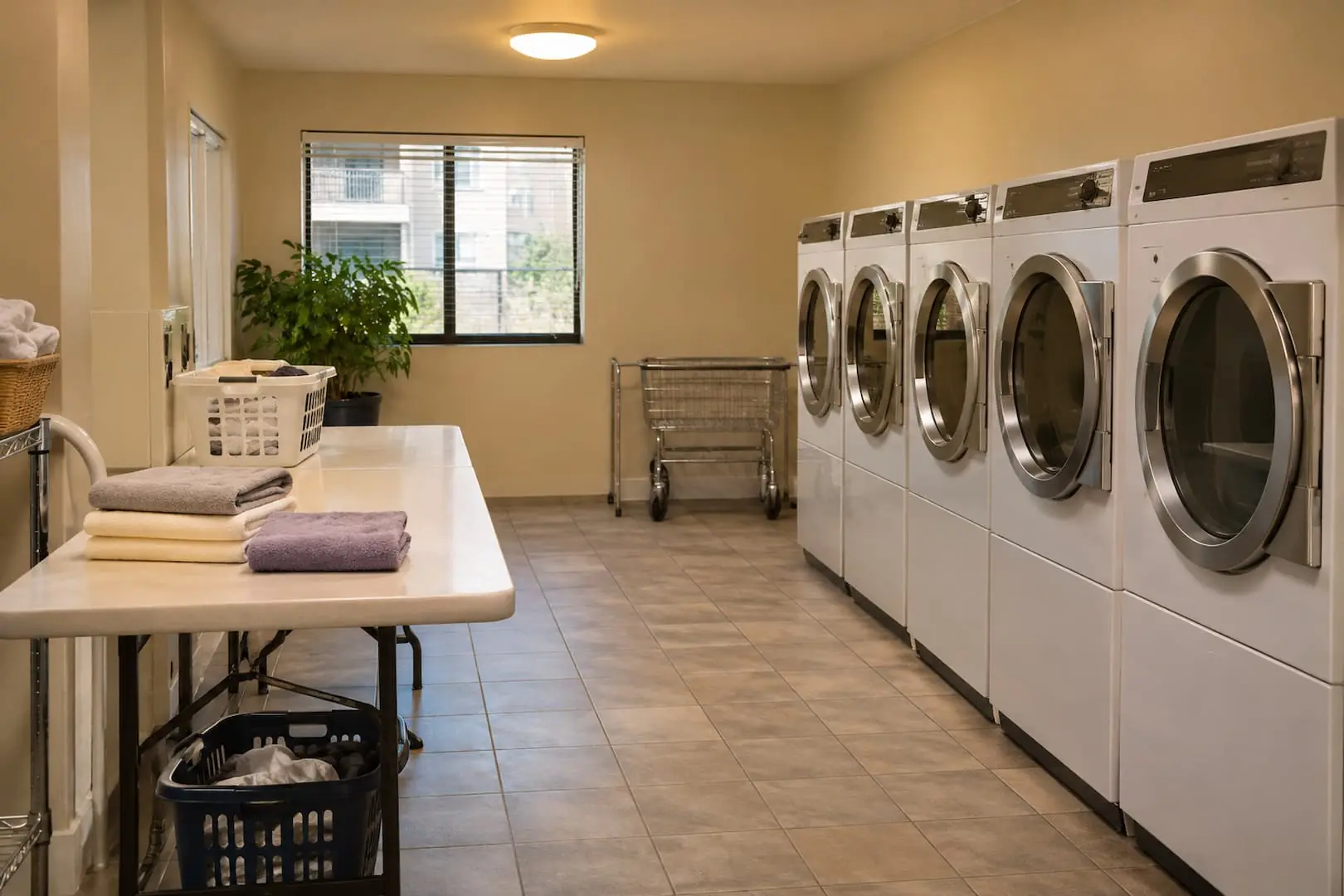
Agree on equipment downtime before the visit. Dryers being serviced are unavailable for laundry. If several machines share an exhaust route, confirm which group must be taken out of use together before promising that the rest of the laundry room can stay open.
Management can group apartment appointments by floor or line and name a contact for missed entry. Ask residents to finish loads before their slot and clear stored items from the work area. Flag stacked appliances and tight closets in advance; residents should not pull out or disconnect machines to prepare for the crew.
We inspect accessible connections and outlets, identify the sections in scope and check for damage or restrictions. Where the appliance can be reached, the technician opens the exhaust connection to access the run.
Flexible brushes and vacuum collection loosen and remove lint from the agreed duct runs. Access may be from the appliance end, the outlet or both, depending on the layout. We explain any limit caused by a stacked unit or an inaccessible connection.
Connections opened for cleaning are secured again before the dryer returns to use. We check operation and the accessible outlet, identify any section that could not be reached and explain findings that need separate attention.
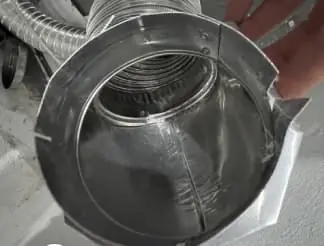
Lint buildup at a dryer exhaust connection, before and after cleaning.
For a managed property, the completion record should identify the dryers and duct sections serviced, along with missed access or a remaining restriction. Agree on the documentation needed for your maintenance file when we plan the project, including whether photographs are required and how units will be identified.
A crushed connector or a faulty exhaust fan is a separate issue from lint buildup. We flag visible defects so management can arrange the next step, rather than leaving a cleaning visit to stand in for all equipment maintenance.
A busy laundry may run its dryers throughout the day. Follow each appliance manufacturer's lint-filter instructions and use its maintenance guidance, workload and inspection findings to plan exhaust cleaning. Record the date and condition found at each visit so the next interval reflects actual use.
Keep lint filters and the area around the dryers on the regular housekeeping schedule. Exhaust cleaning and any maintenance inside the appliance should remain separate entries in the service record, with responsibility assigned for each.
Read customer feedback“Great customer service from beginning to end. The service guys were efficient, super clean and very informative.”
Yes. Tell us whether the building has in-unit dryers, a shared laundry room or both. The number of units, route layout and access arrangements help define the project.
Yes. We first review the layout and access, then list the branches and shared sections included in the project. A single apartment branch and the full building exhaust system are different scopes.
Start with dryer locations, known outlet positions and any previous service report. We can review the property to establish the route and access needed before defining the cleaning work.
The exhaust duct and the inside of the appliance are different service areas. Confirm any dryer-cabinet cleaning or appliance maintenance separately. A vent-cleaning quote should state which connections, duct runs and outlets it covers.
Dryer count, duct length and layout, access, outlet height and the required work all affect the quote. Ask the proposal to identify any shared riser work, fan cleaning and return visits for missed apartment access, so you can compare the same coverage.
Include your available work windows in the request. We plan downtime with the site contact and discuss staging where the system layout allows it. Dryers being serviced are unavailable for laundry during that work.
The appliance, its loading and the exhaust system all affect drying. If the serviced route is clear but cycles remain long, the equipment and any remaining restrictions need further assessment.
We can review the dryer locations and exhaust routes, then plan cleaning around building access and laundry use.
Prefer to call?
(888) 334-1612