
A system serving one home
Identify the furnace or air handler and any separate systems for other floors. We can discuss the supply and return ductwork connected to each one.
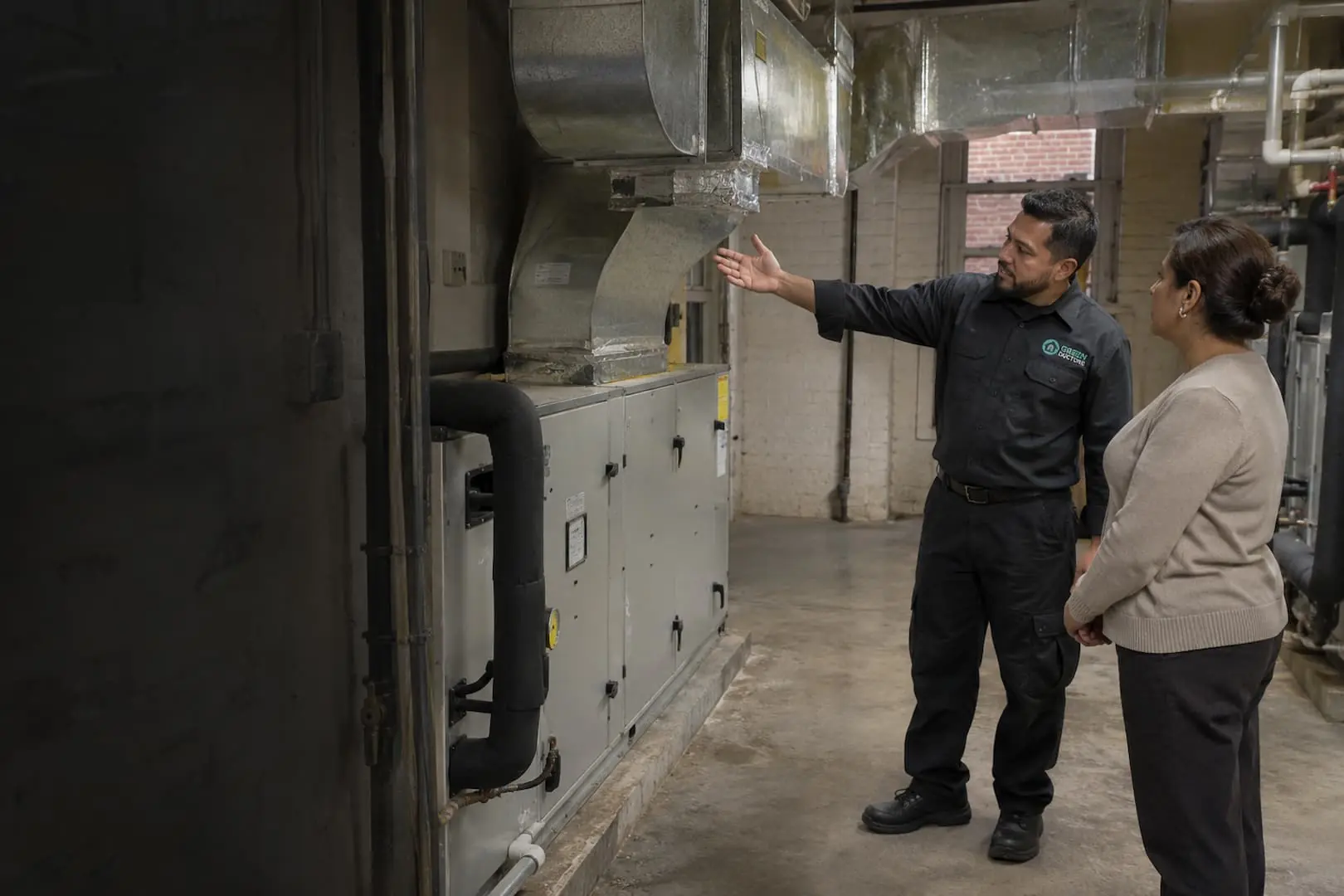
Green Ductors cleans heating and cooling ducts in Newark, NJ, for homes, apartments and commercial properties. We identify which rooms each system serves and plan access to the supply ducts, returns and equipment.
A room vent tells you where air enters or leaves the space. It does not always tell you where the equipment is or who controls access to it.
Identify the furnace or air handler and any separate systems for other floors. We can discuss the supply and return ductwork connected to each one.
Find out whether the ducts serve only your unit or connect to shared equipment. A superintendent or managing agent may need to help define the work and arrange access.
Share the areas to be cleaned, how the premises are used and any system information you have. The estimate needs to account for the building's equipment and access arrangements.
During follow-up, describe the opening and, if helpful, share a photo taken safely from the room. Dryer exhaust and bathroom exhaust are different systems from heating and cooling ducts.
A building can have central heating without heating ducts. A boiler sends water or steam through pipes to radiators; that is different from a furnace or ducted heat pump moving air through room vents. A property with radiators may still have separate ducted air conditioning.
Wall-mounted ductless heads and window air conditioners do not use a central air-duct network. If those are the units you want cleaned, mention them during follow-up so the request reaches the right service. Do not assume a bathroom exhaust opening belongs to the heating and cooling system.
Cleaning should account for the ducts delivering air to the rooms and those returning it to the equipment. We discuss the accessible trunks, branches and openings before agreeing the scope.
Removable grilles and registers collect deposits too. Ask about the air handler, blower and coil when requesting a quote, so any component cleaning is clearly identified alongside the ductwork.
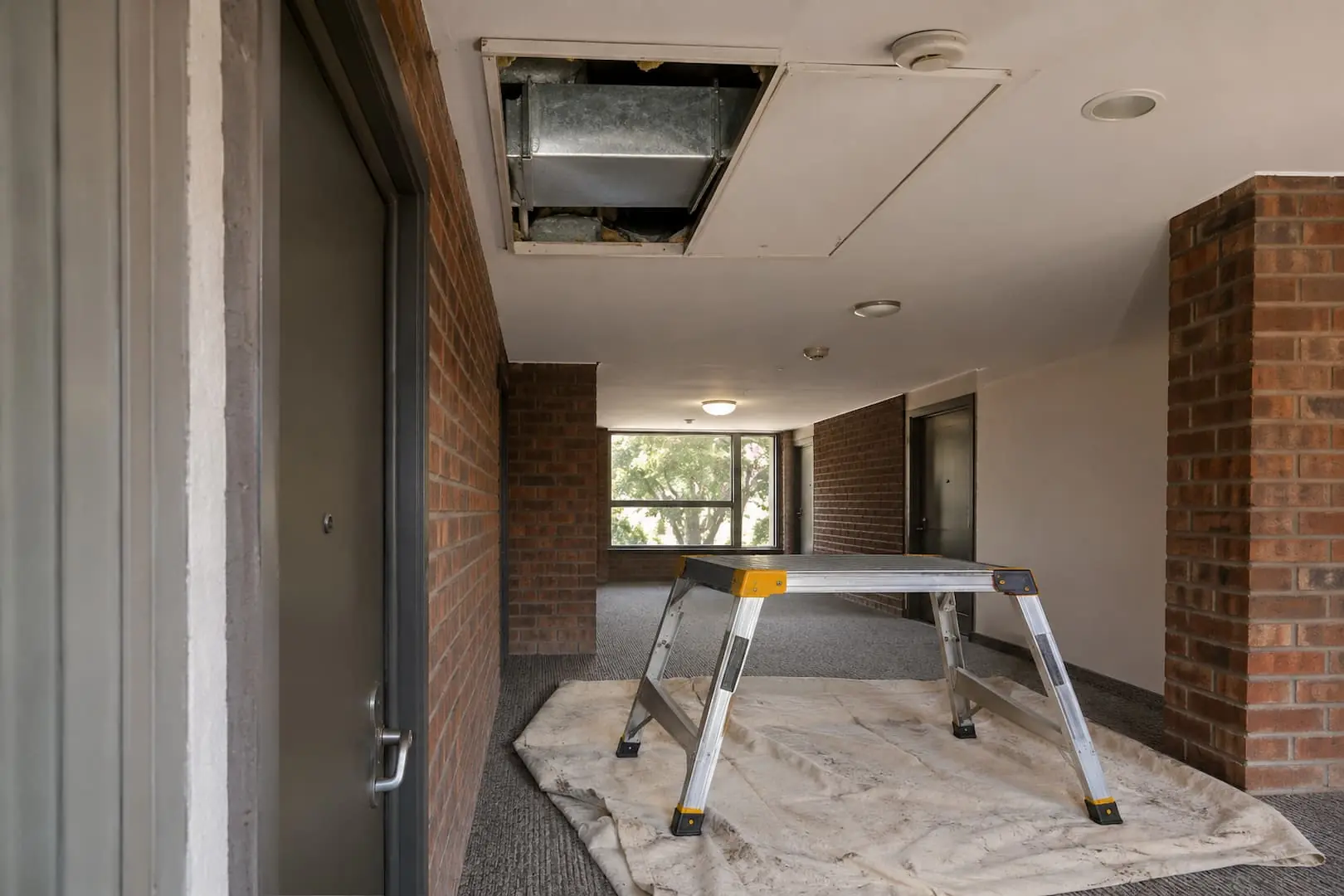
A locked mechanical room or an inaccessible return can interrupt an otherwise straightforward job. Before the visit, identify who can open the equipment area and which rooms we can enter. Tell us about ceiling access panels, storage around the unit or any part of the system outside your space.
If the building has vendor paperwork, entry procedures or permitted work hours, share those requirements while the visit is being planned. For occupied commercial premises, explain which areas need to stay in use.
Move loose items away from reachable grilles and keep pets clear of the work area. You do not need to climb into a ceiling or open equipment. Existing plans, photos from normal standing height and the building contact are a useful starting point.
Two Newark properties with the same floor area can have very different systems. After your initial request, we will discuss these details to define and price the work.
| Detail | Why it matters |
|---|---|
| Number of systems | Separate air handlers may mean separate supply and return networks to clean. |
| Duct layout and material | The route, construction and access points determine which tools and setup are appropriate. |
| Visible condition | Deposits, construction debris or damaged areas help establish the cleaning scope and any limits. |
| Building access | Entry arrangements, equipment location and access to occupied rooms affect planning. |
| Additional components | Blower, coil or other cleaning should appear in the scope when requested, rather than being assumed. |
We review the accessible system, discuss the proposed work and set up collection equipment. Point out any existing damage or concern before cleaning starts.
Suitable brushes and vacuum tools clean the agreed duct sections. Our equipment includes HEPA-filtered collection and negative-pressure equipment; the setup depends on the system and available access.
After cleaning, removed grilles are refitted and the work area is tidied. We review the completed work and explain any section that could not be reached or condition needing further attention.
For a shared building or workplace, decide who will review the work before the appointment. The review should be useful to the person who manages the equipment afterward.
Match completed work to the air handler, floor or suite named in the scope. If several systems are involved, ask for their results to be distinguished.
Discuss access for a visual review and whether before-and-after photos are needed. Confirm any documentation the owner or managing agent requires while the quote is being prepared.
Keep track of inaccessible branches, rooms that were unavailable and any condition needing separate attention. This prevents a later occupant from assuming those areas were included.
Review refitted covers and the equipment area with the site contact. Agree any building handover or access arrangements before the crew leaves.
Visible debris inside a duct, material coming from a supply vent or recent building work can help explain why you are considering cleaning. Describe the location and timing. An odor or a dusty cover alone does not identify what is happening throughout the system.
We focus on removing buildup from the agreed surfaces. If the review finds damaged ductwork, persistent moisture or another issue outside cleaning, it needs a separate decision. The scope should be clear about those limits before work proceeds.
Read customer feedback“Cleaned up after themselves and declogged our vent so well that the noise it was making before was eliminated. Highly recommend them.”
Yes, if the apartment has ducted heating or cooling. During follow-up, tell us whether it has its own system or uses shared equipment. We need access to the connected ducts and equipment; shared systems may require coordination with building management.
A tenant can contact us to discuss the request. Before booking work, confirm who can authorize it and arrange access to all required areas. Include your landlord or building contact when shared equipment is involved.
Vent count is useful, but system count, duct access, condition and the components included also affect the quote. A count alone may not describe the work required.
We accept commercial duct-cleaning requests in Newark. Share the building use, system information, areas involved and access requirements so we can discuss an appropriate scope and visit.
That depends on the system and the proposed work. We need to establish the duct layout and the openings required for access. Discuss a building-wide request with the managing agent before arranging individual entry times.
Those exhaust systems should be identified separately. If you need several systems cleaned, list them in the request so the quote specifies what is included for each one.
We can work through the equipment and access details with you, whether the system serves one space or several.
Prefer to call?
(888) 334-1612