
Short answer: A mini split shows an error code when its control board detects a problem — a frozen outdoor coil, a sensor fault, an overheating compressor or an electrical issue. Codes differ between brands, so always check your manual first. Turning the system off and on often clears a one-time glitch; a code that keeps coming back needs a technician.
Common mini split error codes at a glance
| Code | Common meaning | What to do |
|---|---|---|
| DF / dF | Defrost mode | Normal in cold weather — wait 5–15 minutes |
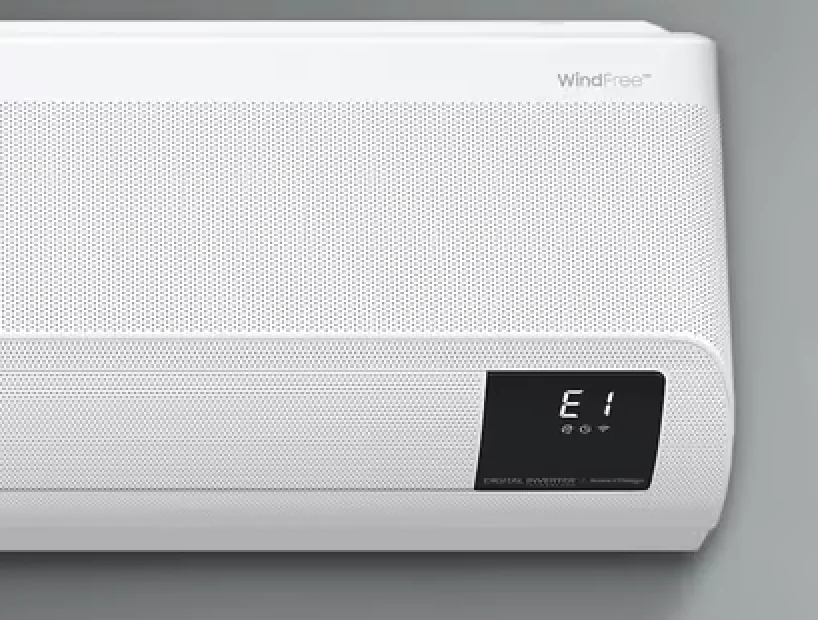
| E1 | Communication error between indoor and outdoor units | Reset power; check wiring if it returns |
| E2 | Indoor coil temperature sensor problem | Clean filters and coil; sensor may need replacing |
| E3 | Outdoor fan speed error | Clear debris and snow; call a pro if the fan doesn’t spin |
| E4 | High discharge temperature (compressor overheating) | Clean coils, clear airflow; call a pro |
| P1 | Unsafe voltage | Check the circuit; don’t share it with heavy appliances |
| P4 | Compressor drive error | Call a professional |
Codes vary by brand and model. The meanings above are common, but the same code can mean something different on another brand. Check the manual or the label inside the front panel of the indoor unit.
First steps for any error code
- Write down the code or count the blinks.
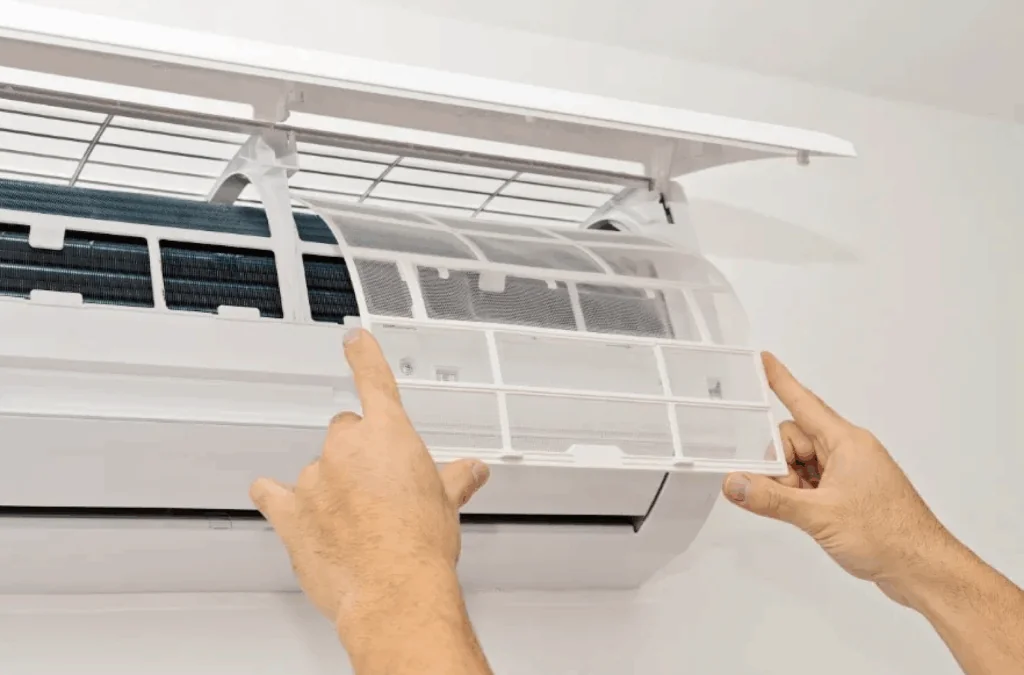
- Check the filter — a clogged filter causes many overheating and sensor errors.
- Make sure the outdoor unit is clear of leaves, snow and anything blocking airflow.
- Reset the system: turn it off with the remote, switch off the breaker or outdoor disconnect for 5–10 minutes, then turn it back on.
- If the code comes back, stop using the system and call a technician.
Mini split error codes explained
DF — defrost mode
Your outdoor unit has built up frost and the system is melting it. This is normal in cold weather and is the system protecting itself. Heating pauses for a few minutes and then resumes. If defrost happens constantly or takes much longer than 15 minutes, have the system checked.
E1 — communication error
The indoor and outdoor units can’t “talk” to each other. Causes include loose or damaged wiring, a power surge, or a failing control board. A reset sometimes clears it; if not, the wiring and boards need professional testing. A surge protector helps prevent repeats.
E2 — indoor coil temperature sensor
This sensor tells the system how cold the indoor coil is. When it fails or reads wrong, cooling becomes unreliable. A dirty coil and filter can cause false readings, so clean them first. If the code stays, the sensor needs to be replaced.
E3 — outdoor fan speed error
The outdoor fan is running too slowly or not at all, which can make the system overheat. Clear leaves, snow and debris around the unit. If the fan still doesn’t spin properly, the motor or its wiring needs a technician.
E4 — high discharge temperature
The compressor is overheating. Common causes are dirty coils, blocked airflow and low refrigerant. Clean filters and keep the outdoor unit clear; refrigerant problems need a licensed technician.
P1 — unsafe voltage
The system detected voltage that is too high or too low. Repeated voltage problems can damage the electronics. Make sure the unit is on its own properly grounded circuit, and avoid running high-power appliances on the same circuit.
P4 — compressor drive error
The inverter board that drives the compressor has a problem. This can lead to a full system failure, so don’t keep restarting the unit — call a professional.
What if your mini split is blinking instead of showing a code?
Many indoor units without a display report errors by flashing an LED a certain number of times. Count the blinks between pauses and look up that number in your manual. A steady blinking timer or operation light often points to the same problems as the codes above.
How to prevent mini split errors
- Clean or check filters every month during heavy use
- Deep-clean the indoor unit once a year — coil, blower wheel and drain pan. Dirt on the coil and blower is behind many sensor, overheating and airflow errors → mini split cleaning
- Keep the outdoor unit clear of leaves, snow and debris
- Protect the electronics with a surge protector and a dedicated circuit
- Schedule a yearly inspection to check refrigerant, wiring and drainage before small issues turn into error codes
When to call a professional
- The same code returns after a reset
- Codes related to the compressor, refrigerant or voltage (E4, P1, P4 and similar)
- The outdoor fan doesn’t spin
- Ice on the indoor unit or refrigerant lines
- Water leaking from the indoor unit
FAQ
How do I reset my mini split?
Turn it off with the remote, switch off the breaker or outdoor disconnect for 5–10 minutes, then turn it back on. If the error comes back, the problem is real and needs a technician.
Why is my mini split blinking?
Blinking lights are often the error code on units without a display. Count the blinks and check your manual.
Can a dirty mini split cause error codes?
Yes. Dirty filters, coils and blower wheels restrict airflow, which can trigger sensor and overheating errors.
Error codes, weak airflow or a musty smell? Many mini-split problems start with a dirty indoor unit. We deep-clean ductless systems across New York and New Jersey.

Is it related to all brands of mini splits or some specific ones?
Hi Alex, as we mentioned, do keep in mind that different models can show different codes, but this article should give you a general idea about the things you should take a look at.