
The connection behind the dryer
The transition connector joins the appliance to the fixed duct. Its visible condition and clearance matter, especially if the dryer has been pushed close to the wall.
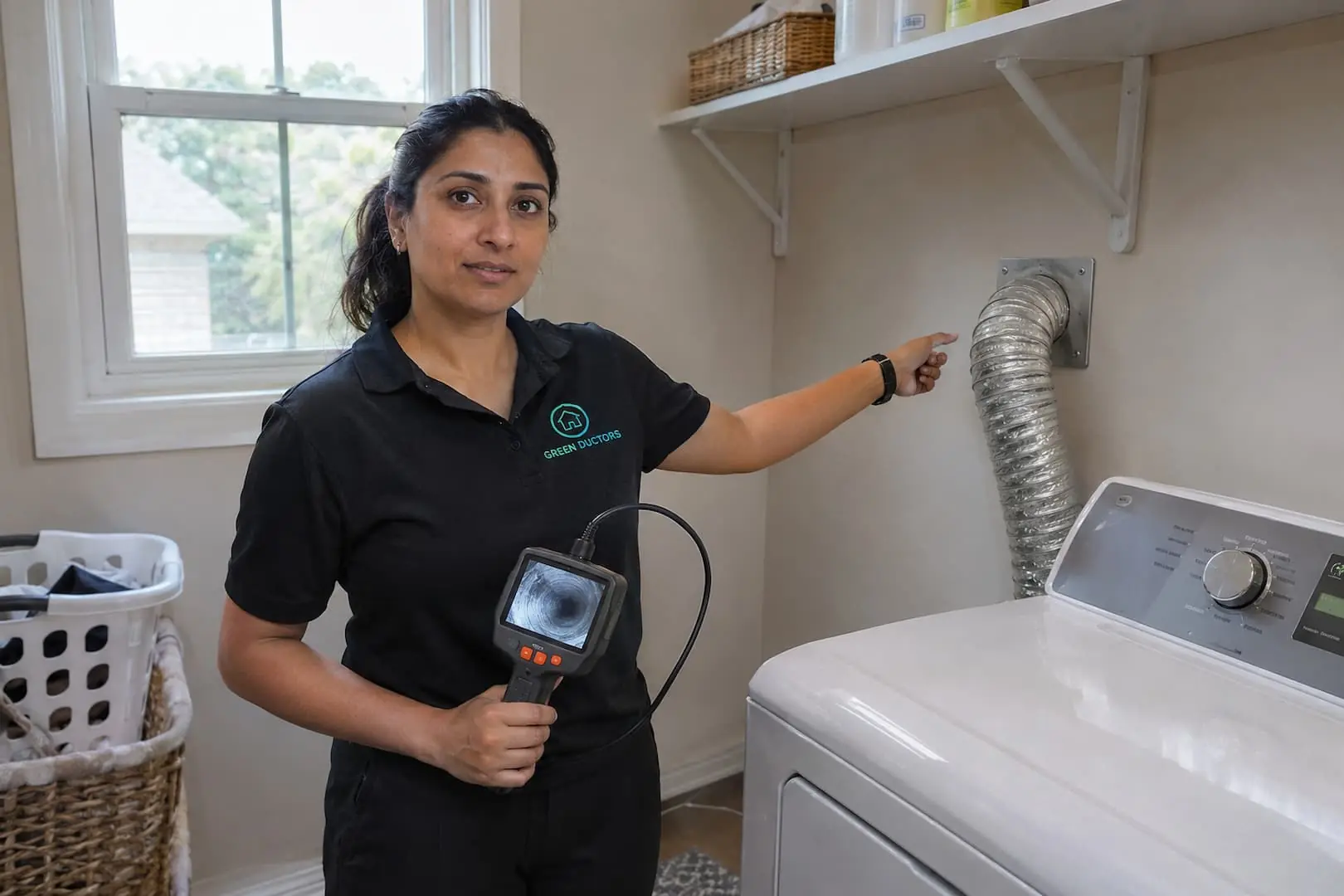
The dryer may be easy to reach while its exhaust duct disappears through a ceiling or wall. Green Ductors provides dryer vent cleaning in Wayne, with the cleaning method and access planned around the route your laundry actually uses.
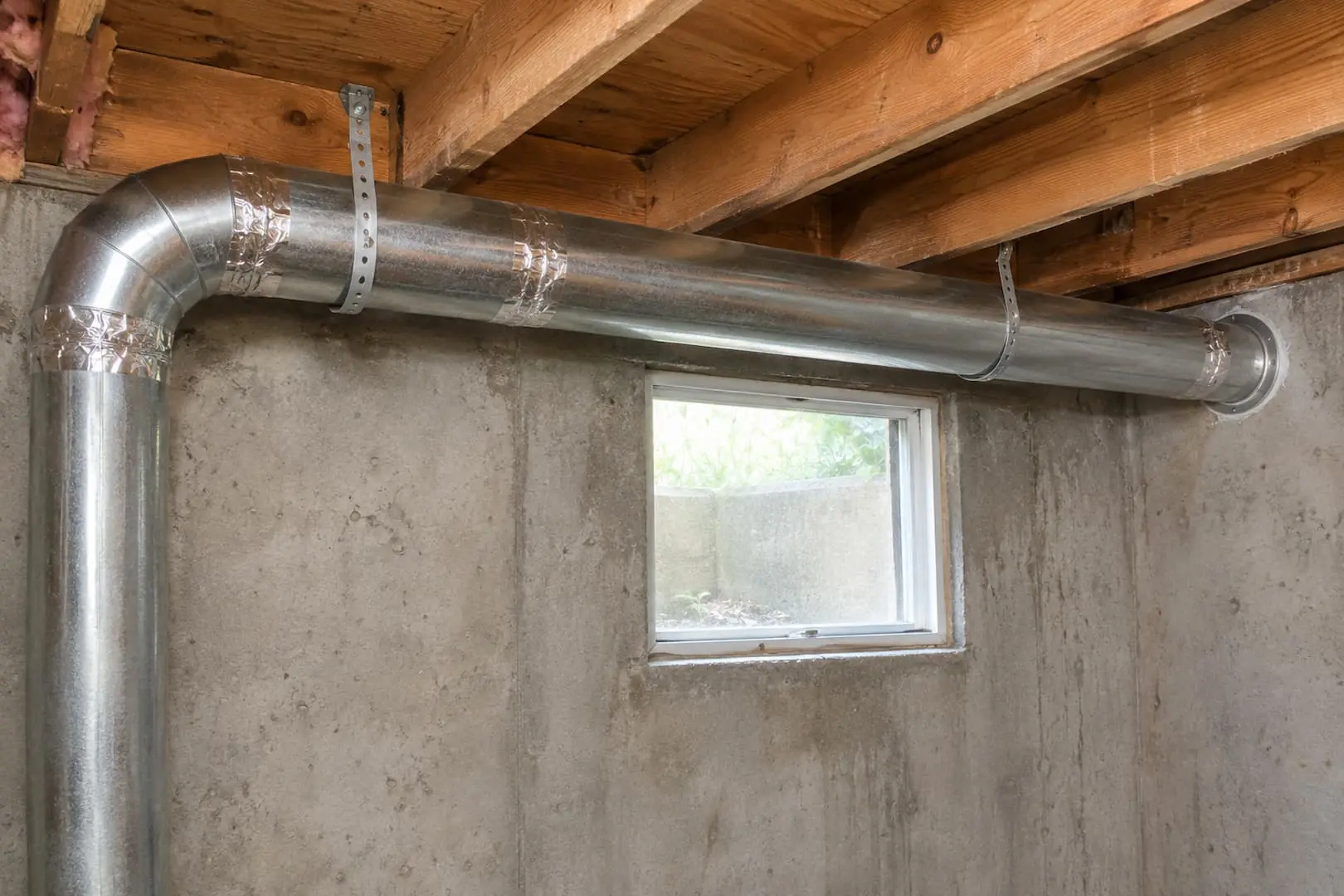
A dryer beside an outside wall can have a fairly direct exhaust path. A laundry room farther inside the home may use a longer duct with turns through other spaces. The route affects where cleaning tools can enter and how the result can be checked.
We start with the locations of the dryer and termination, then review the accessible ductwork between them. Tell us about an upstairs laundry room, a roof outlet or a route that changed during a remodel. We do not assume a hidden section is clear because the connection behind the dryer looks clean.
The transition connector joins the appliance to the fixed duct. Its visible condition and clearance matter, especially if the dryer has been pushed close to the wall.
Lint can settle along the run and around changes of direction. We choose the cleaning approach according to the route, material and access.
The termination lets exhaust leave the home. An elevated outlet or roof exit needs an access arrangement rather than being left out of the scope.
Send your Wayne address, dryer count and any known outlet position. A previous service report or renovation drawing can help, but is not essential for the initial conversation.
We inspect the accessible setup and agree which duct sections and connections the work covers. Any extra access or visible damage is discussed before proceeding.
Flexible cleaning tools and HEPA-filtered collection loosen and collect buildup. The approach must suit the duct rather than force a brush through an unsuitable section.
We refit removed connections, review accessible exhaust operation and provide before-and-after photos of documented areas. Any remaining limitation is explained.
Cleaning does not restore damaged ducting. A connector may need replacement or a better arrangement behind the appliance, with that work agreed separately.
The route needs assessment. If a duct joint is separated or a section cannot be reached, the next step may involve access or repair rather than repeated cleaning attempts.
The appliance and its settings still matter. Heating faults, sensors and loading can affect drying, so a clear vent does not rule out an equipment problem.
If the dryer smells burnt or electrical, stop using it and arrange service. Unusual heat or repeated shutdowns also need attention; do not rely on another cycle to diagnose the problem.
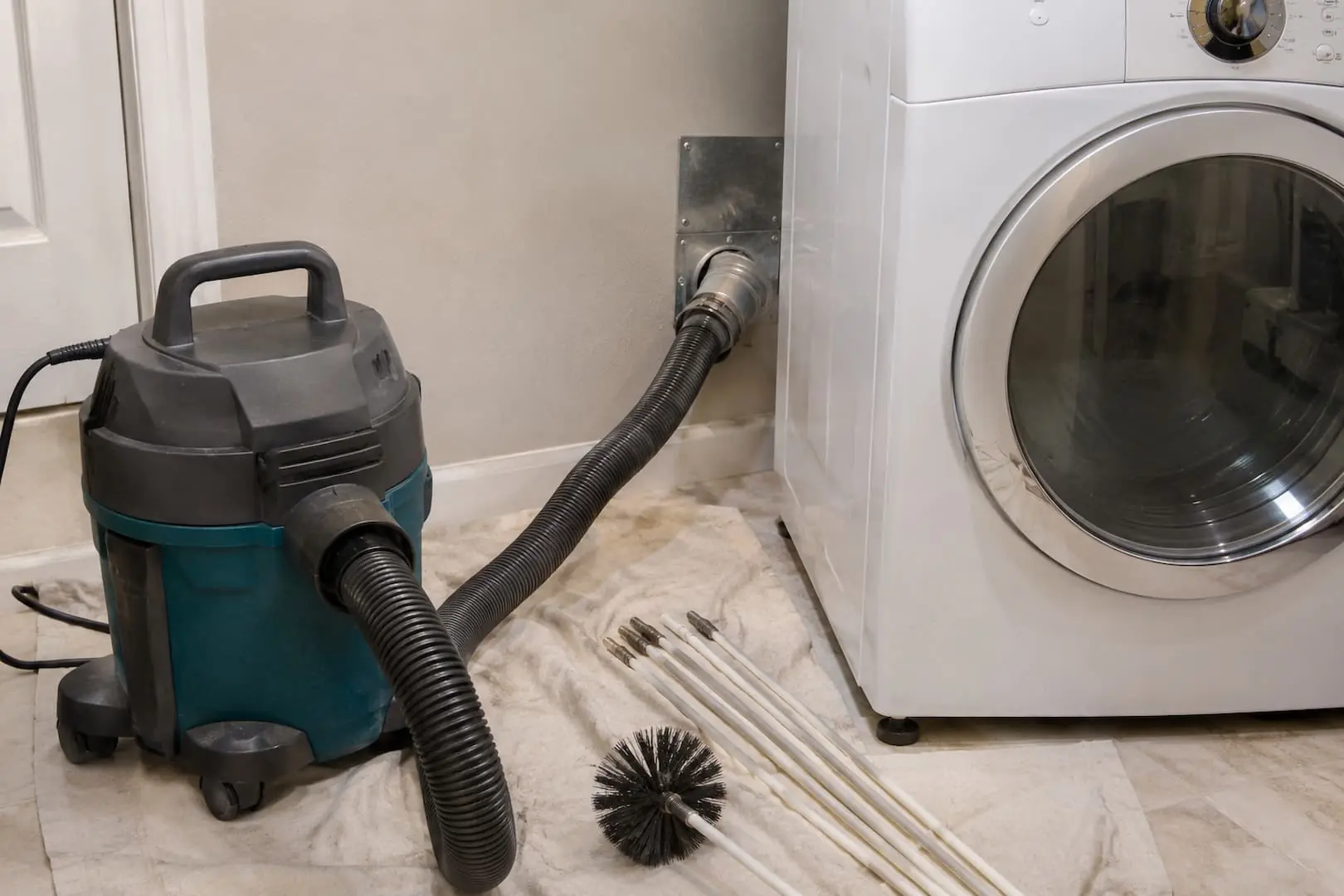
The cleaning setup combines tools that reach the deposits with collection equipment to remove the loosened material. We prepare the laundry work area before starting and clean up the debris associated with the work.
A photo report helps you review the surfaces that were documented. It should be read with the job's scope: a photograph of one open section does not show every concealed inch of duct. Ask about any part of the route that could not be reached or checked.
After service, keep the lint screen on the manufacturer's care schedule and pay attention to changes in drying time. Those observations are useful when deciding when the exhaust needs another review.
| Tell us about | Why it changes the plan |
|---|---|
| Laundry floor and dryer position | An upstairs closet, basement laundry or stacked unit can have different access needs. |
| Known duct length and turns | The route influences the reach, setup and cleaning time. |
| Outdoor outlet location | A wall hood, roof exit or high termination needs suitable access. |
| Any recent changes | A replacement dryer or remodel may have altered the connection or duct route. |
| Multiple dryers | Each route needs to be identified, including any shared sections. |
You do not need to measure concealed ducts or move the machine to request a quote. Clear small items from the work area and let us know about furniture, storage or locked spaces that affect access. We will discuss an estimated visit length once the scope is understood.
We review the route and available entry points before confirming the work. Concealed ducting can be part of the cleaning scope, but its layout and condition determine how it can be reached.
Tell us when requesting the quote. Roof access, outlet position and working conditions need assessment, and any special arrangements must be agreed before the appointment.
No. Bends are part of many routes. The actual layout, duct condition and appliance requirements matter. We explain visible concerns rather than assuming every turn is a defect.
Movement and reconnection need to be included in the access plan. Tell us about the appliance setup, especially stacked units or tight closets, so the arrangements are clear beforehand.
Replacement is separate unless it is listed in the agreed scope. If the accessible connector is damaged or unsuitable, we can discuss what further work is needed before it proceeds.
For a household dryer, an annual review is a practical starting point; GE Appliances recommends inspecting and cleaning exhaust ducting at least yearly. Follow your model's guidance and adjust for use and previous buildup. A returning airflow warning or slower drying calls for attention sooner.
Share the details you know about your Wayne laundry setup. We will help establish the access and scope for the exhaust route.
Prefer to call?
(888) 334-1612